









Weekend Adventurers is reader-supported. If you purchase through affiliate links, I may earn a small commission, at no extra cost to you. All reviews are based on my own opinions.
At some point in recent history, a hipster took a budget airline flight to Copenhagen, spent a weekend in a fancy coffee shop, learnt a few Danish words, posted a few Instagram photos, and created a trend around the word ‘Hygge’.
Hygge (pronounced hue-guh) is a Danish word used to describe the feeling of cosiness and contentment. Since the first day of autumn here in the UK, there hasn’t been a day when I haven’t seen an Instagram post or Pinterest pin about it.
This word has been flying around the UK for a couple of years and seems to be gaining more and more momentum. In fact, in 2016, it came second in the Collins Dictionary’s Word of the Year, losing out only to ‘Brexit’. 
A quick Instagram search will reveal that no fewer than 4.1 million photos have been tagged #hygge in recent years, and the majority of those photos will show that we Brits apparently interpret the feeling of cosiness to be scented candles, log fires and hot drinks.
Just to be clear, I’m not knocking the Danish version of Hygge. Denmark is consistently ranked as one of the happiest countries in the world, so they definitely have things to teach us about contentment and wellbeing. I’m just talking about this English interpretation of hygge to mean staying at home, being permanently comfortable, and effectively hibernating all winter under a ‘chunky knit’ blanket that you made yourself.
There are dozens and dozens of Pinterest pins ready to teach us ‘how to have a hygge winter’, or ‘how to hygge your home’. Most of these posts revolve around the idea of spending warm and cosy days at home, relaxing by the fire, burning candles and drinking hot chocolate. They promise you will feel more relaxed, more mindful, and that you’ll enjoy the winter months like never before.
There’s a time and a place for everything, but if you’re spending your entire winter indoors and expecting to enjoy it like never before, then you’re going to be disappointed. The key to living a more relaxed and mindful life, and to really enjoy the changing seasons, is to spend as much time as possible outdoors…
As many as one in 15 people suffer from Seasonal Affective Disorder through the winter months. SAD, also known as the winter blues, is a form of depression that comes and goes with the seasons. For many people, this can mean a persistent low mood and constantly feeling lethargic.
In almost all cases, the first step needed to combat SAD is around lifestyle changes and more specifically, spending time outside. SAD is thought to be linked to the reduced sunlight that our bodies receive during winter. A lack of sunlight is known to cause our bodies to create more melatonin, the hormone that makes you feel tired, and less serotonin, the hormone that makes you feel happy.
Put simply, if you want to be happier through the winter months, to feel relaxed, mindful and have an increased sense of wellbeing, then perhaps adventure is the answer, not hygge.
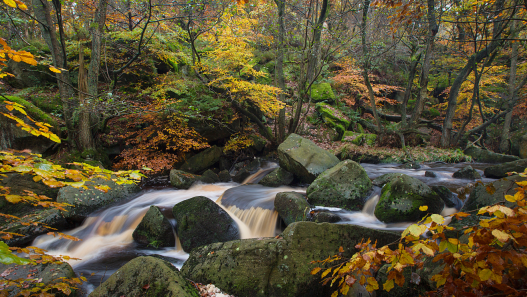
I can definitely see the appeal of sitting in front of a log fire with a good book and a great cup of coffee, but shouldn’t it be after a long day of hiking along frost covered trails? Should that time sat on the sofa at the end of the day be used to look through all of the photos you took of snow-capped mountains or fog filled forests?
There’s a time and a place for everything, but if you’re burning scented candles in the middle of the afternoon, I’m here to tell you to blow that thing out and to go and get your hiking boots on.
Go outside on cold days, on rainy days and on windy days. Life wasn’t meant to be lived under the comfort of a knitted blanket. Set your alarm and get some morning sunlight on you before you go to work. Take your homemade soup to the park with you on your lunch break. Squeeze mini adventures into your life at every opportunity, then sit in front of the fire at the end of the day and dry out your boots.
Less hygge, more adventure.


