







Weekend Adventurers is reader-supported. If you purchase through affiliate links, I may earn a small commission, at no extra cost to you. All reviews are based on my own opinions.
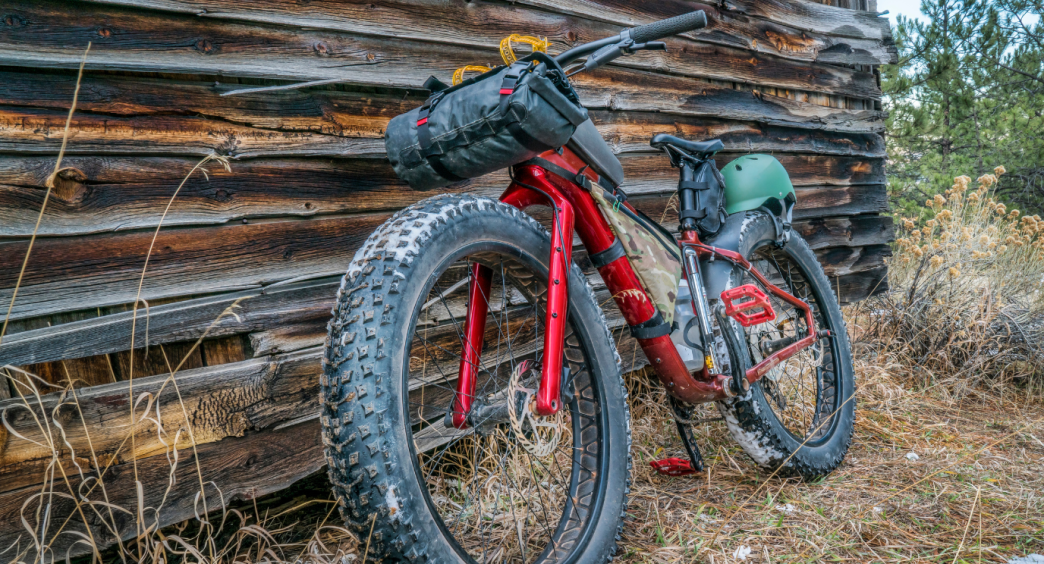
Riding a fat tyre mountain bike is like riding the monster trucks of the cycling world.
If you’re used to a ‘normal bike’, hopping on one of these beasts is an entirely different experience.They’re built for rugged terrain, extreme conditions, and the type of off-road adventures that would leave a regular bike crying for mercy.
Whether you’re curious about fat bikes or considering investing in one for your next adventure, this guide will help you understand the appeal and why they’re such fun for a wide range of riders. 
What Is a Fat Tyre Mountain Bike?
Fat tyre bikes are built to handle terrain that would leave most bikes struggling.
The key difference lies in their wide tyres, which are typically 4 to 5 inches wide—far wider than the best mountain bikes on the market.
These tyres are often run at low pressure (around 5-15 PSI), allowing them to grip loose surfaces like deep snow, sand dunes, and gravel roads. The low tyre pressure means you get better control and traction, even on uneven surfaces.
These bikes aren’t just about size; they’re built for overall performance on different conditions.
Most models come with a rigid fork, but you’ll also find some with a front suspension fork to soak up bumps on more technical terrains.
You’ll often see hydraulic disc brakes or mechanical disc brakes for stopping power, which is vital when you’re charging downhill or navigating steep trails.
Brands like the Trek offer some of the best models in the fat bike market.
Fat Tyre Mountain Bike
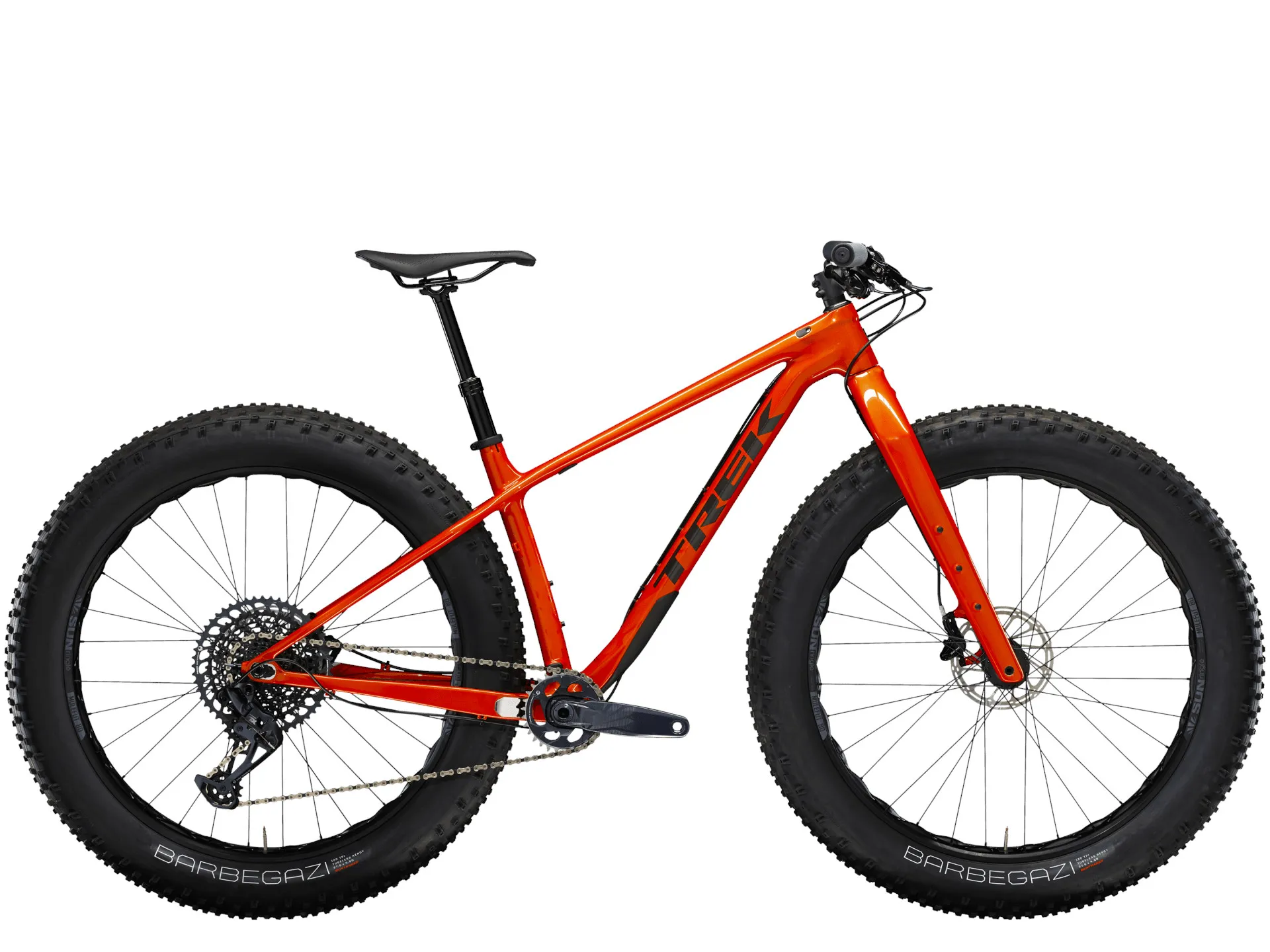
Trek Farley 9.6
The Trek Farley 9.6 Fat Bike is a capable and ready carbon fatbike for riders who want to charge through snow drifts and sand dunes.
Its OCLV carbon frame keeps your ride light, while huge 4.5-inch tyres keep you floating in the deep stuff.
Who Is Fat Tyre Mountain Biking For?
Fat tyre mountain biking is for anyone looking to expand their mountain biking experience—especially riders who love tackling extreme conditions.
From seasoned adventure riders who want to push their limits to beginners who want a more stable and comfortable ride, fat bikes are an excellent choice.
Here’s a breakdown of who should consider trying a fat bike:
Beginners
The wide tyres and low pressure make it easier to ride on tricky terrain, like mud, snow, or even wet sand. You’ll feel more stable and in control, even at slower speeds.
Winter Warriors
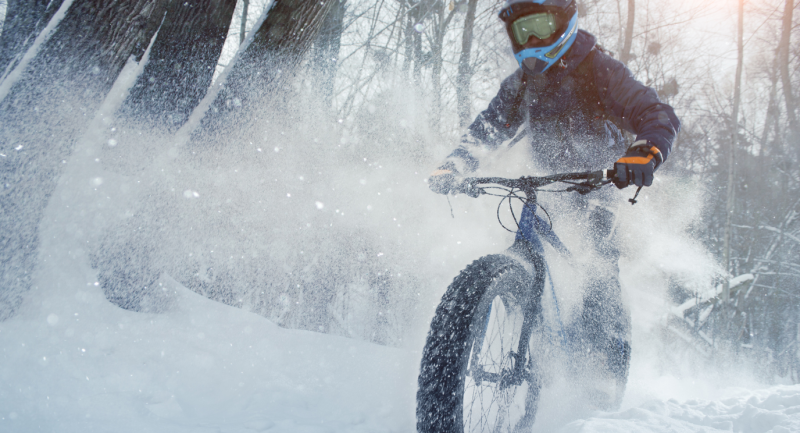
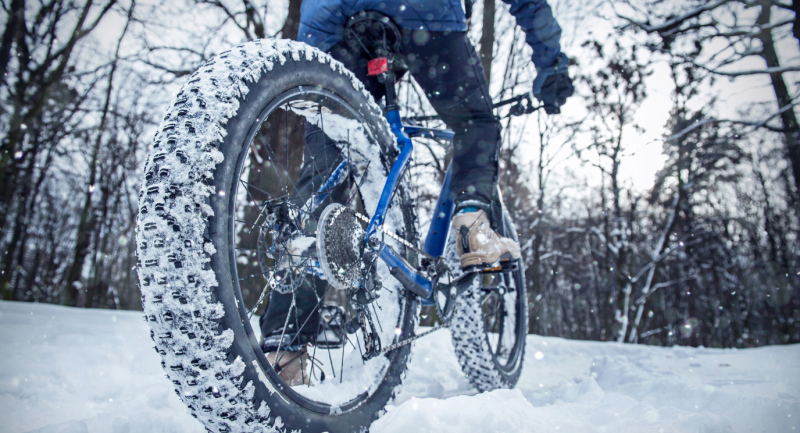
If you live in areas that see a lot of snow, where winter conditions can make cycling tricky, fat bike tyres allow you to ride through deep snow and ice. Fat bikes are perfect for year-round riding, even in extreme cold.
Adventure Enthusiasts
If you like discovering new trails and aren’t afraid to venture into the wild, fat bikes allow you to explore places where a normal bike would sink, like sand dunes or snowy trails.
Comfort Seekers
Fat tyres act like natural suspension, providing a cushioned feel on rough terrain. You don’t need to rely as much on expensive suspension systems like a rear suspension or front suspension.
With these bikes, the question isn’t where you can ride, but where you can’t ride.
How Are Fat Tyre Bikes Different from Normal Mountain Bikes?
Fat tyre bikes differ significantly from your standard enduro bikes or trail bikes. They’re designed for versatility and can handle surfaces that would challenge even the best mountain bikes.
Tyre Size and Pressure
The most obvious difference is in the tyres.
Standard mountain bike tyres are usually around 2 to 2.5 inches wide. Compare that with fat bikes, where 4.5-inch tyres are the norm.
This larger contact patch increases traction and stability, especially on firm ground like compacted snow or sand. You also run them at much lower pressures, which lets the tyres “float” over soft surfaces like snow or mud.
Ride Quality and Comfort
Thanks to the wide tyres and low pressure, fat bikes offer a cushioned, comfortable ride over rough terrain. You won’t feel every bump and rock, making for a smoother riding experience.
Weight and Speed
Fat bikes are generally heavier than regular bikes, which can mean slower speeds on flat trails.
However, modern bikes often feature lighter fat bikes with aluminium frames, improving build quality and keeping weight in check.
That said, the trade-off for weight is the ability to tackle extreme conditions that a regular mountain bike couldn’t handle.
Components
Many fat bikes come equipped with hydraulic brakes, dropper posts for easier seat adjustment on the go, and some even feature rear racks for carrying gear on long-distance adventures.
For riders who prefer some assistance, fat tyre electric bikes with rear hub motors and pedal assist levels are becoming more common. These e-bikes can extend your range, allowing you to cover more ground on a single charge, while still preserving battery life for longer rides.
Why You Might Want to Try Fat Tyre Mountain Biking
Fat tyre mountain biking isn’t just a niche sport. It’s a growing trend, and it’s one of the most adaptable and enjoyable ways to experience off-road adventures.
Whether you’re someone who likes long rides in remote areas, or you’re just looking for a new challenge, fat bikes offer something for everyone.
Fat bikes aren’t just for winter riding or the beach. They excel on gravel roads, snow biking, and even rocky mountain trails. Whether you’re riding in snow, sand, or mud, fat bike tyres will keep you moving. With the right tyre pressure, fat bikes offer better traction than a standard mountain bike could ever dream of.
Fat bikes provide a smoother, more stable ride than regular bikes. This makes them a great choice for beginners and anyone looking to cover rough terrain without feeling every bump along the way. The longer wheelbase and low centre of gravity contribute to a more stable, predictable ride.
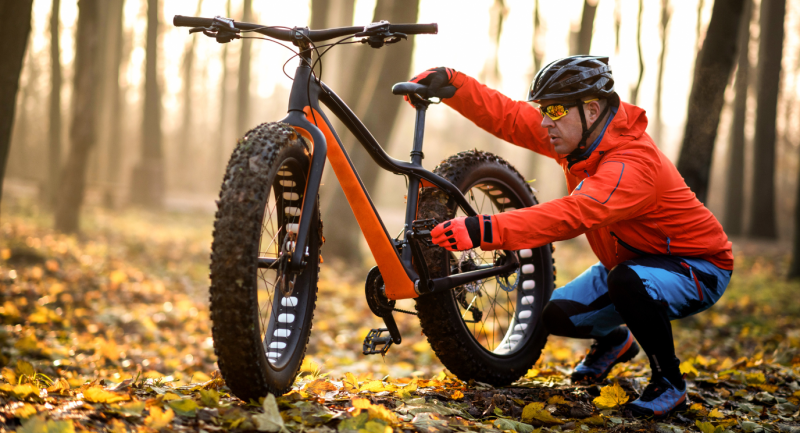
If you’ve ever been frustrated by having to put your bike away for the winter months, fat bikes are the answer. Their ability to glide over snow and slush means that you can keep riding all year long, regardless of the weather.
There’s something liberating about knowing that you can tackle virtually any terrain. Whether you’re rolling over sand dunes or charging through steep trails, fat bikes turn off-roading into an all-terrain adventure. With their robust, quality builds, fat bikes are ready to take you places most bikes simply can’t go.
These days, you don’t need to break the bank to find a high-quality fat bike. Brands like Trek Farley and Shimano MT offer models at reasonable prices. Keep an eye out for special offers when shopping for your next fat bike, and you could get a top-tier ride without paying a fortune.
Fat Tyre Bikes—Your Ticket to Adventure
Fat tyre mountain biking isn’t just for the extreme adventurer—it’s for anyone with a sense of curiosity and a desire to explore. Whether you’re riding on gravel roads, ploughing through snow, or cruising over sand dunes, fat bikes offer an unmatched blend of versatility, comfort, and fun.
If you’re ready to take your mountain biking experience to the next level, there’s no better way than by hopping on a fat bike and embracing the ride.
From excellent build quality to great value, fat bikes are the ultimate companion for those looking to experience the world on two wheels, no matter the terrain.


